In the frozen heart of a post‑apocalyptic world, the sprawling settlement of Frosthaven hummed with life. Elena had spent two long years carving this haven from ice and stone in Whiteout Survival. She had weathered countless blizzards, repelled snarling beast packs, and united a ragged band of survivors into a thriving community. Then, one bitter afternoon in the winter of 2026, disaster struck—not from a raider attack, but from a silent, digital ghost. Her game screen flickered, and suddenly she was locked out of her account. The city she had nurtured through so many sleepless nights was gone, hidden behind a cryptic error message.
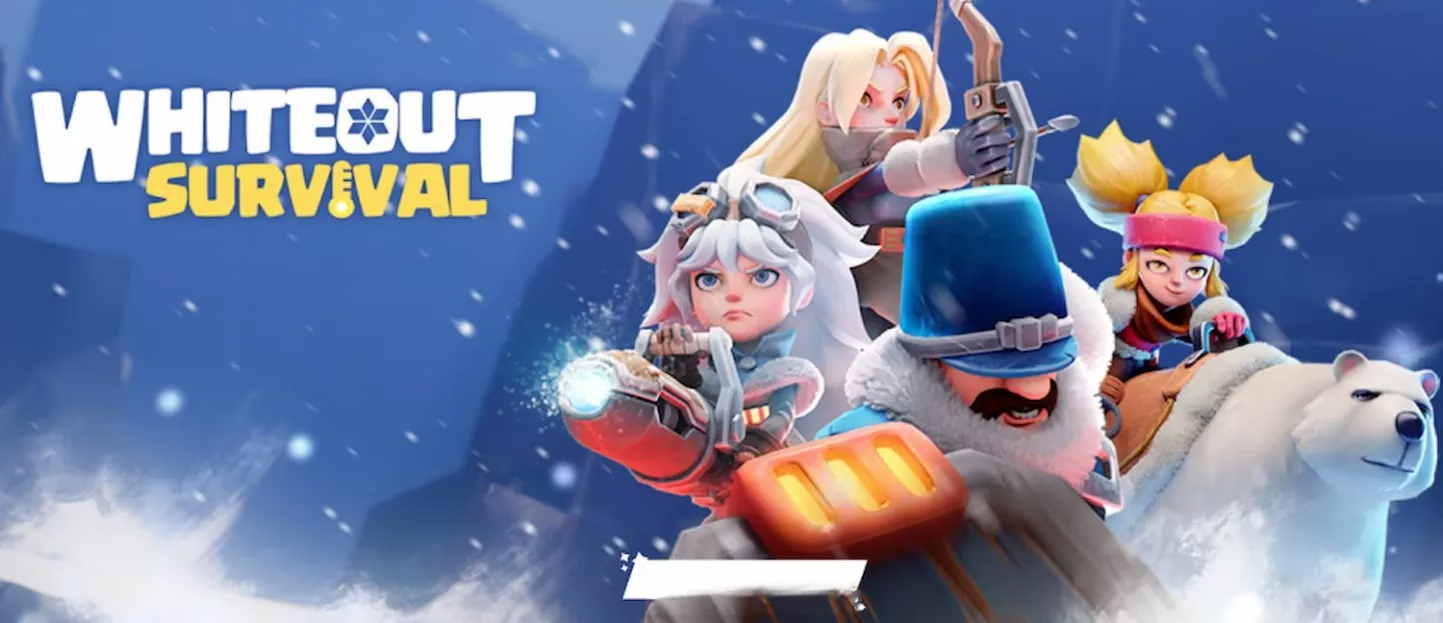
Elena’s heart sank. Whiteout Survival, crafted by Century Games, had always delivered the raw, unforgiving essence of a 4X strategy title. Players erect cities between towering mountain ranges, assign workers to lumber mills and hunting cabins, and hoard every scrap of coal to survive the next storm. Yet beneath its icy exterior, the game had always felt alive, responsive. Now, it felt like a fortress with the gates barred. She needed to reach the developers, to find the Whiteout Survival customer support team before her citizens starved in the digital cold.
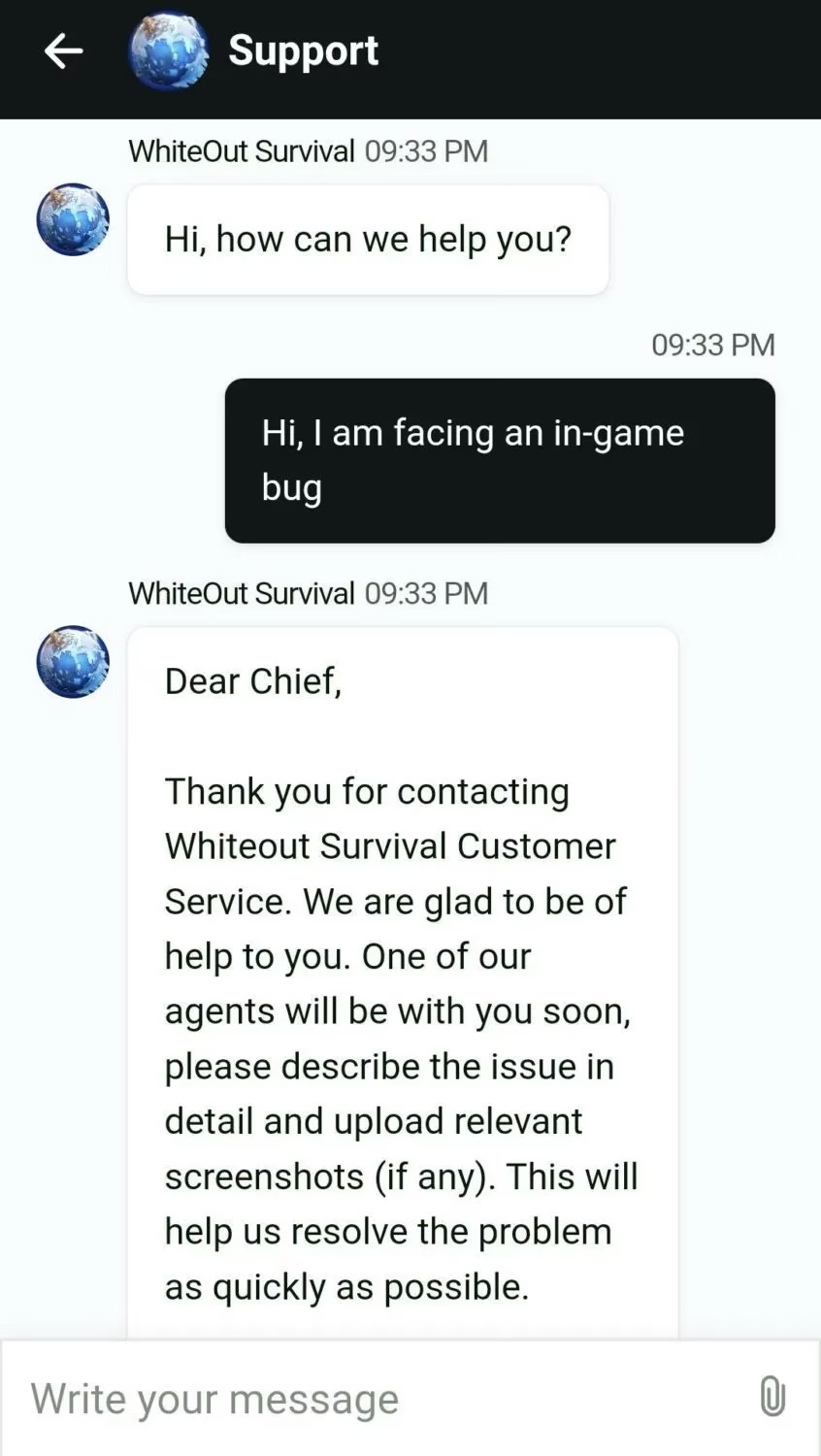
Her first instinct was to search inside the game itself. After restarting the app, she landed on the familiar title screen. In the top‑left corner, a small humanoid icon blinked, almost unnoticed. She tapped it, and a chat interface bloomed onto the screen—a private room where a cheerful chatbot introduced itself and asked how it could help. Elena explained her predicament. The chatbot offered pre‑written suggestions about account recovery, but none matched her exact issue. It was a quick, automated handshake, not the personalized rescue she craved. Still, it was a start.
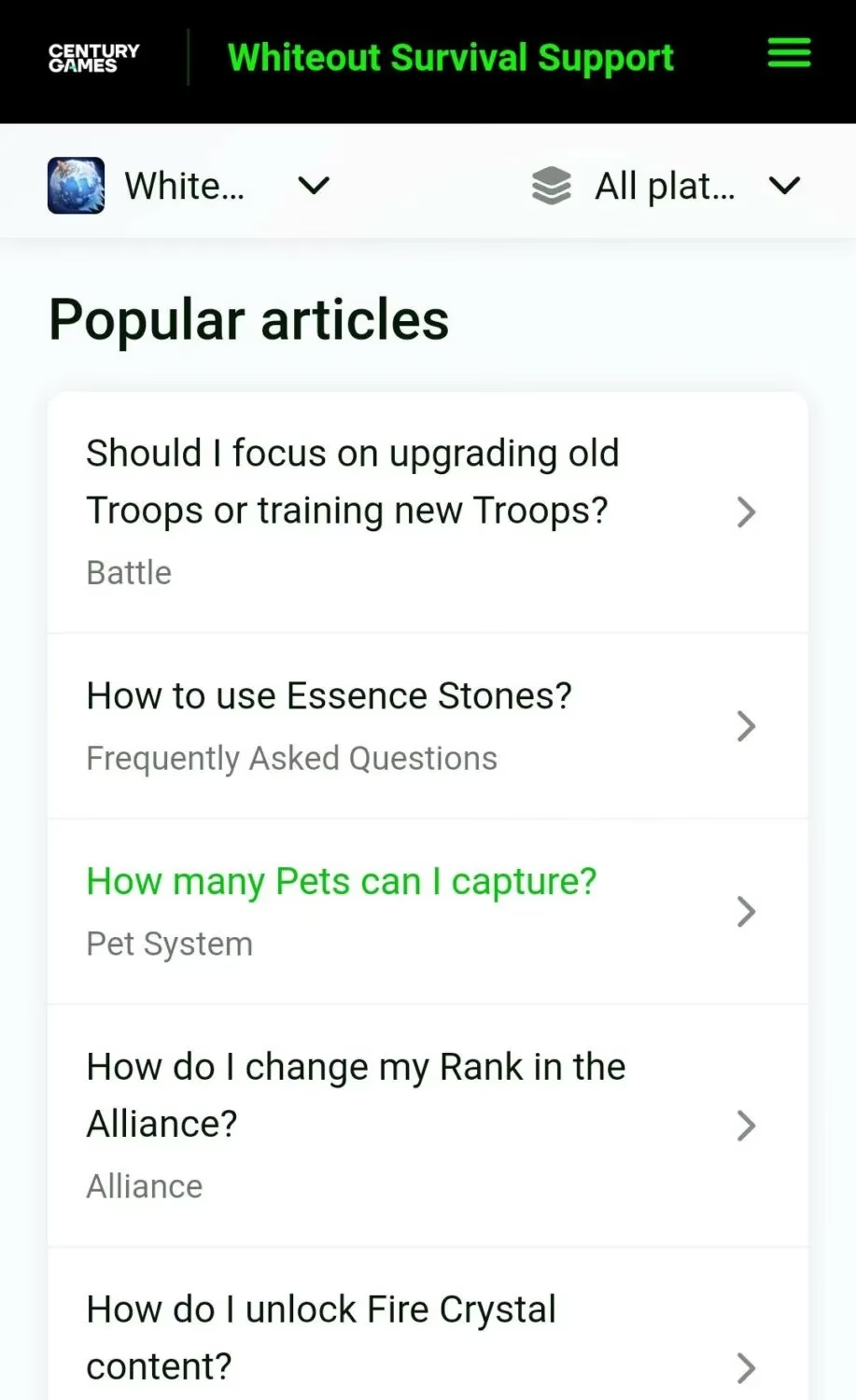
When the chatbot’s advice fell short, Elena remembered another path. She opened her tablet’s browser and navigated to the official Whiteout Survival help website. The page unfurled like a library of frozen knowledge, neatly divided into categories: account issues, billing, heroes, arena, and more. The developers had already addressed hundreds of frequently asked questions. Elena scrolled through the Login Problems section, reading article after article. Others had faced similar lockouts after major updates, but the pre‑written solutions—clearing cache, reinstalling—did nothing for her. She admired the effort, but the answers felt like footprints in the snow, already fading.
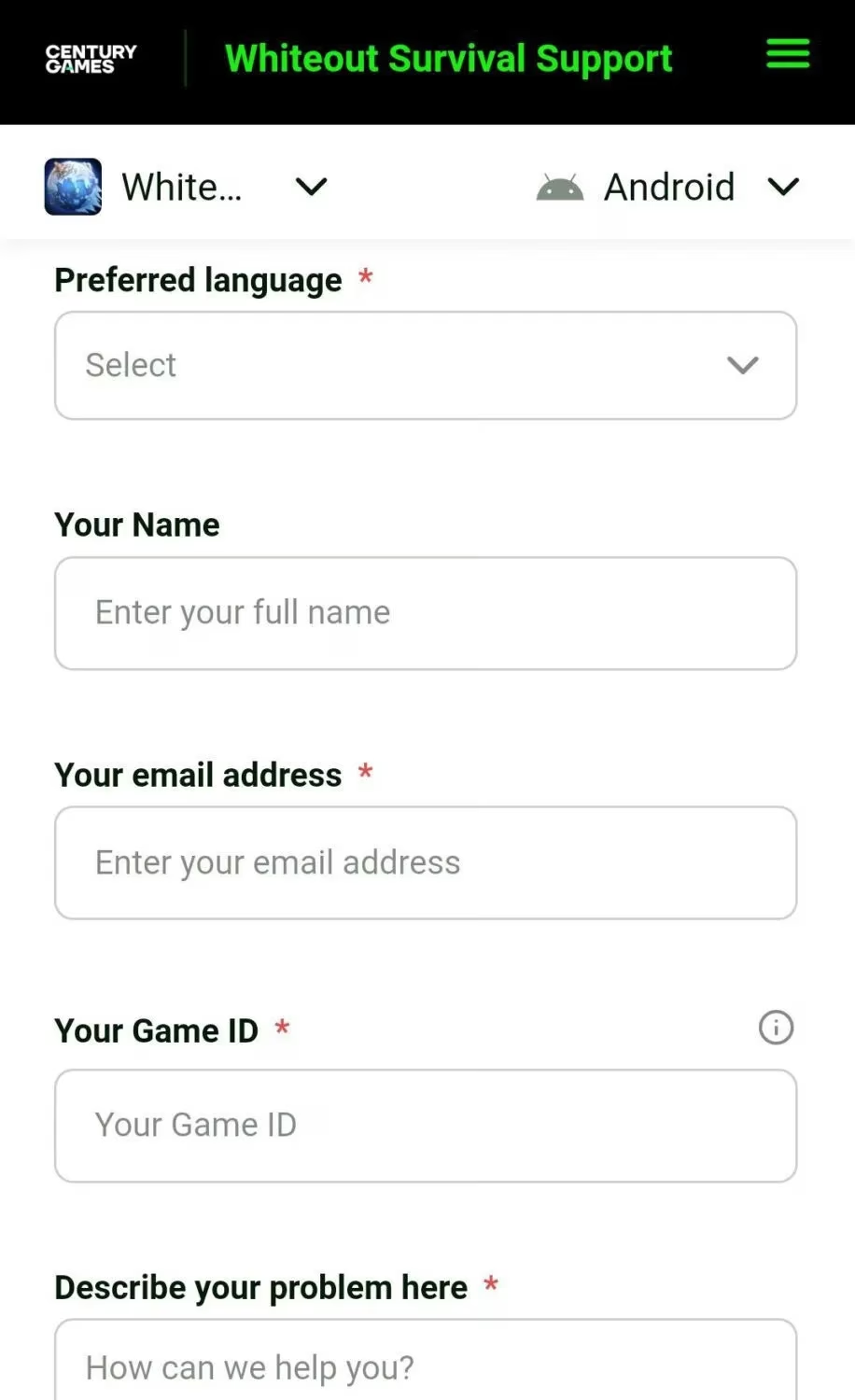
At the bottom of the help page, a small “Contact Us” button gleamed like a lantern in a storm. Elena clicked it, and a new form materialized. It asked for her preferred language, her name, her email address, and most critically, her Game ID. She typed a detailed description of her ordeal, attaching screenshots of the error message and her last valid purchase receipt. Submitting that ticket felt like releasing a messenger pigeon into a blizzard—uncertain, yet hopeful. The support team typically responds within 48 to 72 hours. Elena knew she could follow up in the same email thread if the days stretched too long.
While she waited, Elena explored a third, more communal route: social media. She opened Facebook and visited the official Whiteout Survival page, where developers often posted updates and replied to comments. She sent a polite direct message, summarizing her case. Then she joined the game’s Discord server—a bustling hub where thousands of survivors shared strategies, memes, and, importantly, solutions. Within minutes, several veteran players offered tips: “Did you link your account to Google or Apple?” “Try logging in on a different device.” Their warmth chipped away at the isolation. Eventually, a community moderator noticed her plight and escalated it to the team.
By day three, Elena’s inbox chimed. The support team had restored her account. They thanked her for her patience and even gifted her a small bundle of in‑game resources as an apology. Frosthaven reappeared on her screen, its furnaces still burning. Elena exhaled a breath she hadn’t realized she’d been holding.
Her journey taught her that every survivor has three lifelines in Whiteout Survival: the in‑game chatbot for instant, simple guidance; the official help website and ticket system for deep, documented troubles; and the vibrant social media communities for human warmth and fast‑tracked aid. The game, now older and wiser in 2026, continues to evolve, but its support network remains a sturdy bridge between the cold code and the living players who brave it. If you ever find yourself stranded in the snow, remember Elena’s path—tap that tiny icon, browse those FAQs, and never hesitate to knock on the doors of Discord or Facebook. The rescue team is closer than you think.
This discussion is informed by market insights from Data.ai (App Annie), which helps contextualize why mobile strategy games like Whiteout Survival invest heavily in multi-channel customer support—an in-game help widget for fast triage, a searchable knowledge base for repeat issues, and ticket-driven resolution for account lockouts and purchase disputes—because retention and trust often hinge on how quickly players can recover access after updates or device changes.